

☞ You’re here because something feels off
You’ve accomplished a lot. The degrees. The promotions. The strong performance reviews. And yet work that once mattered feels harder to stay connected to. You find yourself going back and forth, unsure what to change and less certain you can trust your own judgment.
You’ve tried the quick fixes. Mindset shifts, productivity systems, and surface-level strategies haven’t addressed what’s underneath.
You want to make changes without abandoning your ambition.
You want to choose from clarity rather than pressure.
You want to rebuild self-trust so your next steps actually align with your values.
You're willing to try something different. Reflective writing is not about planning your next move. It is about understanding what shapes your decisions.
☞ Why Work With Me
✅ I help you see patterns that are difficult to recognize on your own. Through the Study Yourself® practice, we slow things down so clarity and self-trust can develop over time.
✅ I bring lived experience. Peace Corps. Tesla. LinkedIn. Consulting. Multiple career reinventions. I understand what it’s like to succeed on paper while questioning whether your time, energy, and ambition are being invested well.
✅ I specialize in supporting high-achieving professionals, navigating their careers through intentional changes without disconnecting from their ambition.
My Training & Credentials
I hold the Associate Certified Coach (ACC) credential from the International Coaching Federation (ICF), the global gold standard of professional coaching. I trained and earned my certification through the Hudson Institute of Coaching, an ICF-accredited program.
Earning my ACC required more than 60 hours of coach-specific training, over 100 hours of client coaching, and 10 hours of mentor coaching through Hudson. I've also completed coaching supervision, and I follow the ICF Code of Ethics in every session. I hold myself to the same standard of growth I bring to this work.
Beyond coaching, I earned an Executive MBA from Saint Mary's College of California and have completed professional programs through Stanford and NYU, so I understand the business realities my clients navigate.


Still have questions?

What's the difference between coaching and therapy?
Coaching and therapy serve different purposes. Coaching supports personal growth, clarity, and forward movement. Therapy addresses clinical mental health concerns and complex emotional healing. Many of my clients work with both, and I recommend it when it serves you. If you're experiencing symptoms that interfere with daily functioning, such as persistent anxiety, depression, or trauma, therapy may be your primary support. If you're functioning but feel stuck, question your direction, or are seeking personal growth, coaching may be the right fit. I'm happy to discuss what's right for where you are.
What is coaching?
Coaching is a collaborative partnership focused on clarity, self-trust, and discerning how you want to move forward. In our work, we slow things down so you can understand what’s shaping your decisions and choose next steps you can stand behind.
How long before I see results?
Many clients experience shifts after the first session, whether it's clarity on a decision, relief from carrying something alone, or recognition of a pattern they hadn't seen before. Rebuilding how you make decisions, discovering new directions, and trusting yourself in high-pressure situations develop through sustained work. Change needs time, repetition, and space to practice what you're learning between sessions.
What is not coaching?
Coaching is not therapy, consulting, or advice-giving. I don't diagnose mental health conditions, provide clinical treatment, or tell you what to do. This work assumes you are resourceful and whole, even when things feel uncertain. If needs arise outside my scope as a coach, I'll help you identify the right resources.
What makes your approach different from other coaches?
My work is grounded in the Study Yourself® practice, a reflective, writing-based approach that helps you recognize patterns, understand internal voices, and make decisions from self-trust rather than pressure. This is especially valuable for high-achieving professionals who are accomplished on paper and questioning how they’re working, leading, or being.
What if I'm not sure coaching is right for me?
In a free consultation, we'll discuss where you are, what you're navigating, and whether my approach feels like a good fit for you. There's no pressure to commit; the consultation is a space for you to explore and ask questions.
What if I want coaching and therapy?
This is common and often powerful. You might work with a therapist to address clinical symptoms or trauma while coaching supports your growth, clarity, and forward movement. If this applies to you, let's discuss it in your consultation so we can design a coaching relationship that complements your therapeutic work.
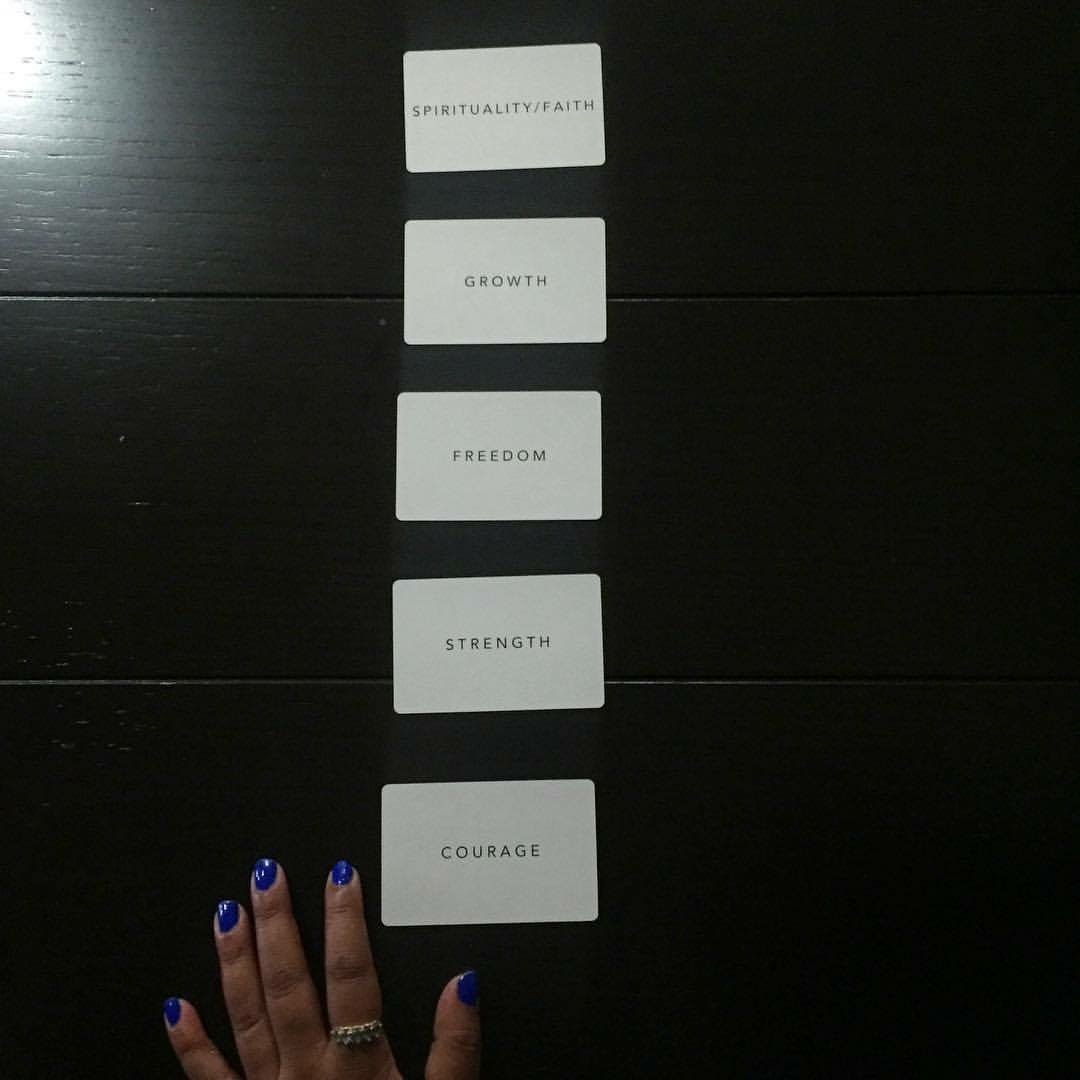
Study Yourself® Practice
The Study Yourself® practice is designed for you, the high-achieving professional rebuilding your relationship with self-trust in your personal and professional life. It focuses on recognizing your own patterns and rebuilding self-trust from the inside out, rather than from the outside in.
“The consultation session was spot on. The fact that this made me realize that I do want support is incredibly valuable. I also appreciate that you laid out the difference between therapy and coaching, so I could make a clear decision and have the right expectations.” -Consultation Client

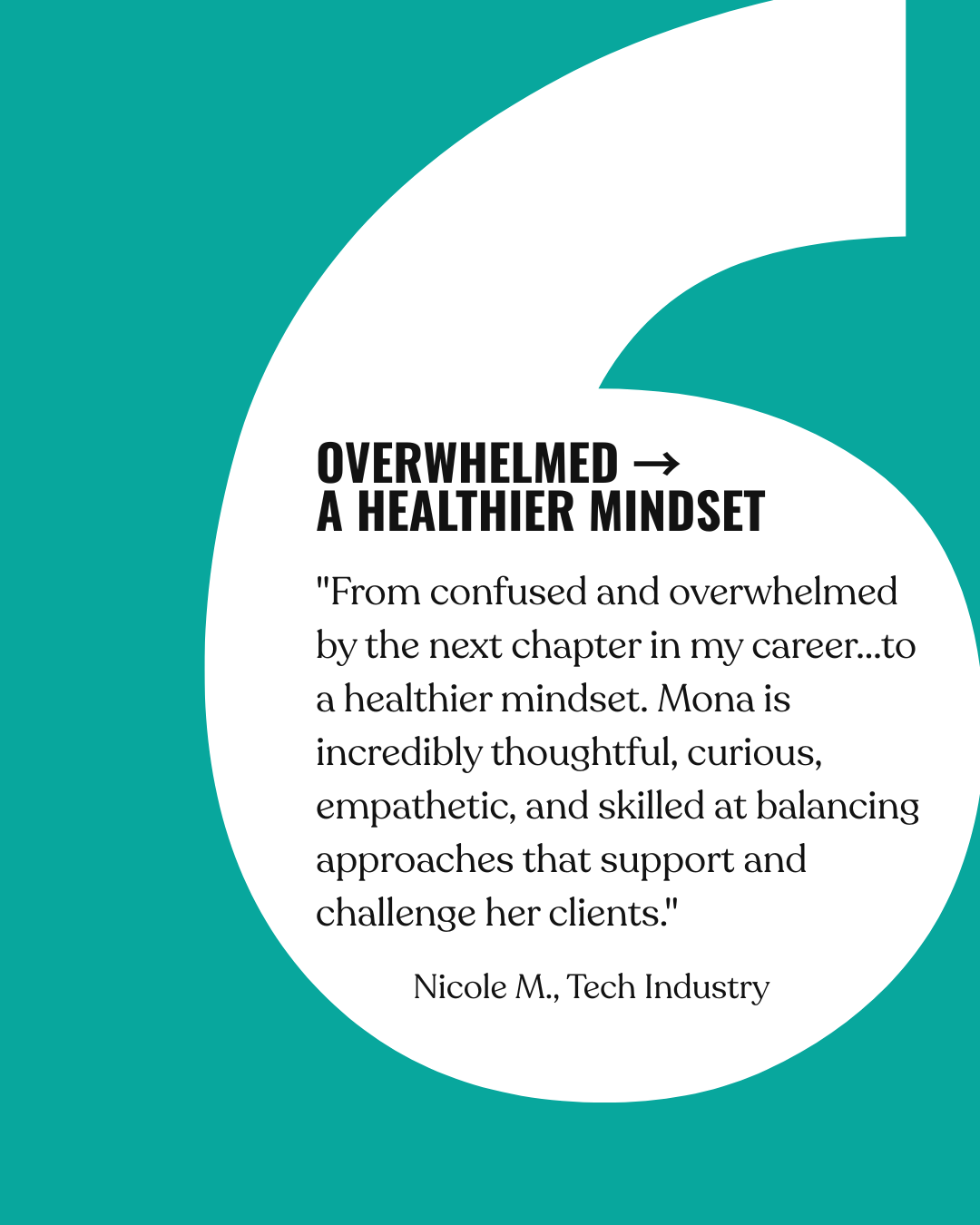
Hear from people who did the work
Read testimonials from clients who recognized their patterns, rebuilt self-trust, and chose differently.